Table of Content
Several relatively distinct regional styles of colonial architecture are recognized in the United States. Building styles in the 13 colonies were influenced by techniques and styles from England, as well as traditions brought by settlers from other parts of Europe. In New England, 17th-century colonial houses were built primarily from wood, following styles found in the southeastern counties of England.
Originally, they featured “a large fireplace at each end of the home to maximize heating bedrooms and living areas,” adds Bergin. Bankrate.com is an independent, advertising-supported publisher and comparison service. We are compensated in exchange for placement of sponsored products and, services, or by you clicking on certain links posted on our site.
The Presence of Colonial-Revival Homes Today
Details like windows tended to be placed in arrangements that aligned with the general symmetry of the home. The brick was painted a subtle “chameleon” (green-brown-gray) hue that complements the slate roof in a blend of color tones. Sarah Scott is a fact-checker and researcher who has worked in the custom home building industry in sales, marketing, and design. A five-year-old new colonial-style in an affluent neighborhood will cost more to purchase but less to maintain than a 300-year-old Colonial in rural Maine. Our experts have been helping you master your money for over four decades. We continually strive to provide consumers with the expert advice and tools needed to succeed throughout life’s financial journey.

Coquina, a limestone conglomerate containing shells of small mollusks, was used as a building stone in St. Augustine as early as 1598 and has been used as recently as the 1930s in construction. From these quarries, coquina was brought to build the Castillo de San Marcos, Fort Matanzas, the Cathedral Basilica, and homes throughout Florida's colonial period. Tabby, made of lime, oyster shells, water, ash, and sand, was often poured out to make a hard flooring in these structures.
Colonial Style - New York Real Estate
British Colonial style is a fusion of traditional British style and designs that are influenced by various local cultures. With its use of natural materials, this style can look amazing in warm climates too. One thing that distinguishes homes of the early Colonial era is the uniformity in size and shape. Most are simple rectangles or squares, with few architectural flourishes. This simplicity often makes it easy to make additions and renovations with minimal disruption to the overall design.
This compensation may impact how and where products appear on this site, including, for example, the order in which they may appear within the listing categories. But this compensation does not influence the information we publish, or the reviews that you see on this site. We do not include the universe of companies or financial offers that may be available to you. This information is for your personal, non-commercial use and may not be used for any purpose other than to identify prospective properties you may be interested in purchasing. Display of MLS data is usually deemed reliable but is NOT guaranteed accurate by the MLS. Buyers are responsible for verifying the accuracy of all information and should investigate the data themselves or retain appropriate professionals.
Spanish
Colonial style homes are one of the oldest architectural types in the United States, dating back to the 1600s, and we can help you find one right here in Massachusetts. Find your own piece of history in Massachusetts with a colonial style home that will withstand the test of time. Listing information is from various brokers who participate in the Bright MLS IDX program and not all listings may be visible on the site.
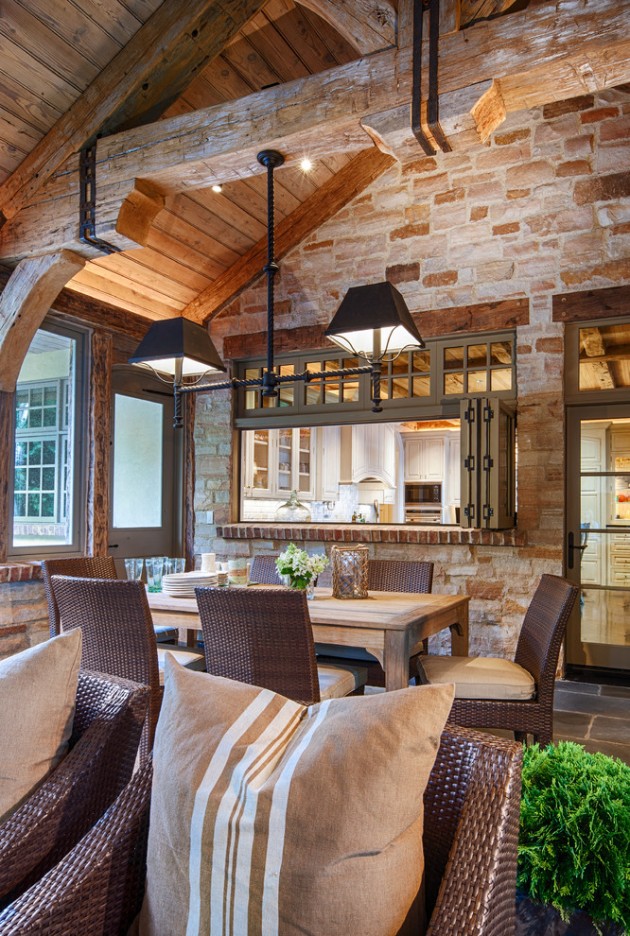
Colonial-style homes are likely to remain a common home style with some variation for the foreseeable future. The simple construction, endless options for additions, and emphasis on clean lines make them timeless, and a classic American style. Early American and saltbox-style colonials dot the landscape throughout New England. This style, one of the simplest, is typically two stories, made of wood. Steep roofs to shed snow and a big central fireplace to stay warm in the harsh winters are typical of the style.
Though their style may seem dated by today’s standards, they offer an elegant look that everyone can appreciate. With a mix of multiple time eras and a nod to American history, this style continues to have a firm hold on American architecture. Newer construction homes in suburban neighborhoods are often referred to as ‘Neo-Colonial,’ a style that updates and simplifies Colonial-Revival features for the modern world.
Also, Colonial-style houses were often built with a steeply pitched roof that enabled practical drainage and access to an attic space. Dormer windows eventually became popular as a way to provide light and ventilation for the upper level, adding to the home's usable living space. With origins that date back to our country's beginnings, Colonial-style houses have a restrained yet stately appearance. The timeless aesthetic offers a sense of history and an elegant look that remains popular today.
Rae specializes in credit card rewards, investing, real estate, home improvement, lending and financial advice for millennials, Gen Z, Gen Alpha and their parents. We've rounded up everything you need to know about Colonial style houses inside and out below. A Low-Country Creole by TS Adams StudioTS Adams Studio designs a Low-Country French Creole cottage that meets a planned community’s architectural guidelines. Like the stripped-down details of Colonial house styles, their landscapes usually lack conspicuous ornamentation. Instead, many rely on geometric combinations of shrubs and trees as a restrained accent. This more formal landscaping underscores the style's refined appearance.
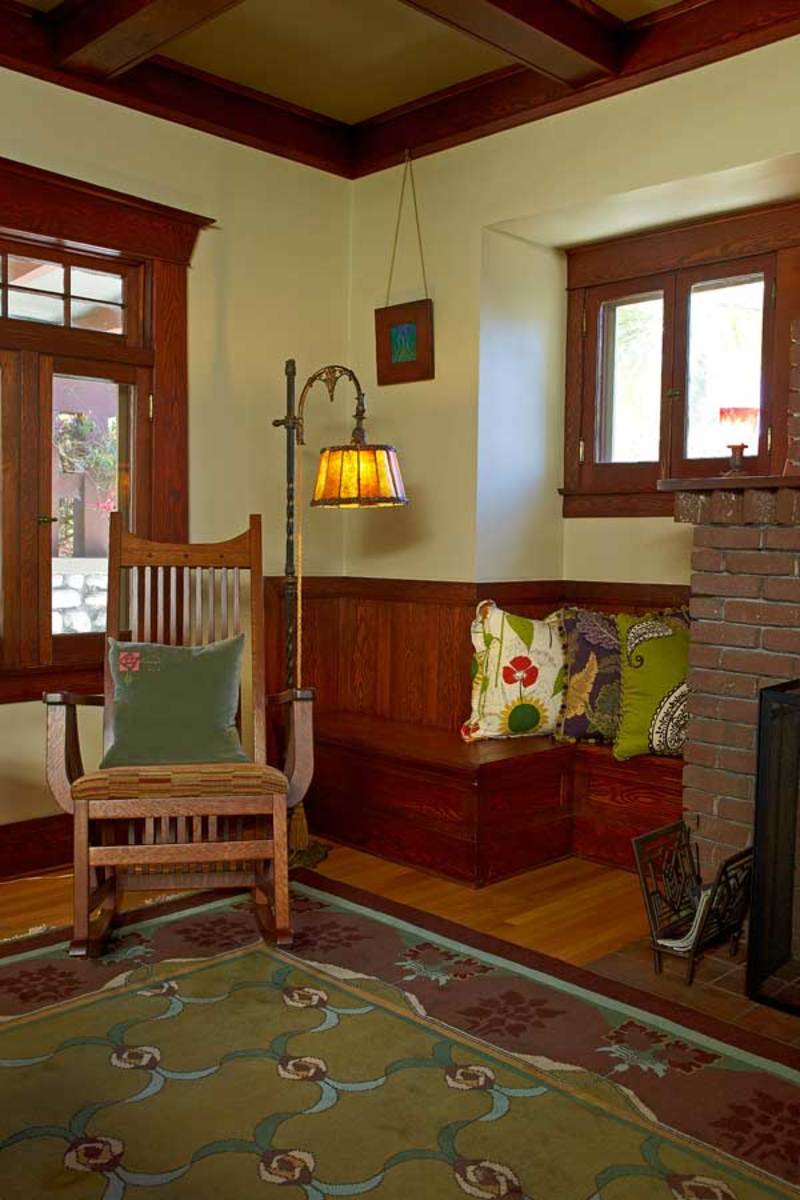
Front-gabled or side-gabled roofs, hip roofs, and gambrel roofs are all seen in this style, emphasizing the diversity of inspiration springing from early English, French, Spanish, and Dutch colonial design. Two-story colonial-revival homes are most common, but this is not a defining feature. A popular sub-type of this architectural style is the typically one-floor Cape Cod home.


No comments:
Post a Comment