Table Of Content
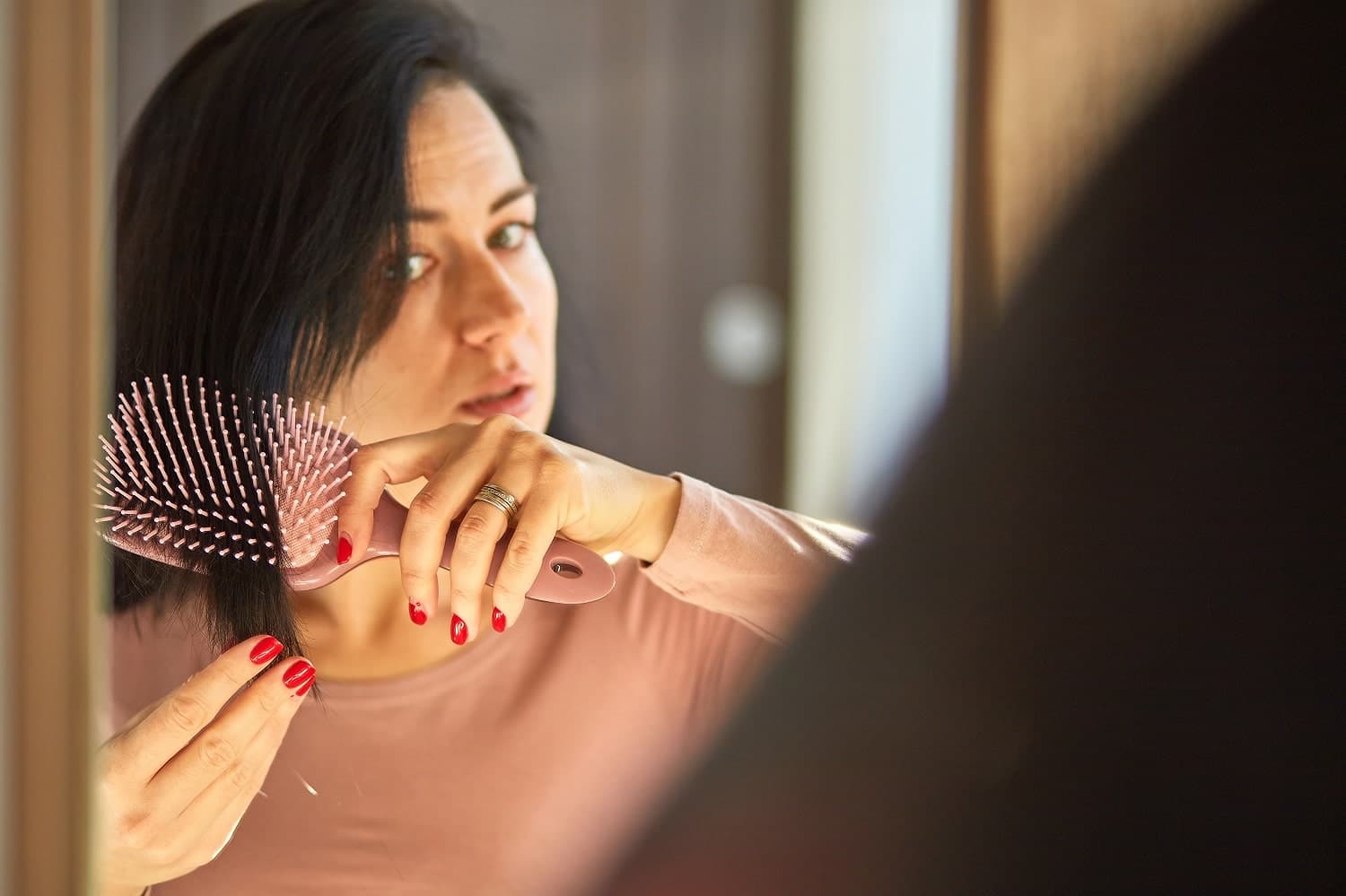
Hair loss might also be related to a shift in hormones, says Faubion. “It can take a while after that stress for the cycle to go back to normal,” she says. If the hair loss doesn’t follow the typical appearance of female pattern hair loss, your doctor will likely perform a few tests to explore potential causes. Next, let’s look at some treatment strategies to support menopausal hair loss.
I want to get healthier
It also helps prevent some of the other symptoms of menopause, including mood swings, weight gain, and insomnia. All of these factors are important for maintaining hormonal balance, which promotes healthy hair growth. It’s normal for the body to change as it ages and hair is no exception. If you are experiencing hair loss, explore treatment options with your doctor or dermatologist.
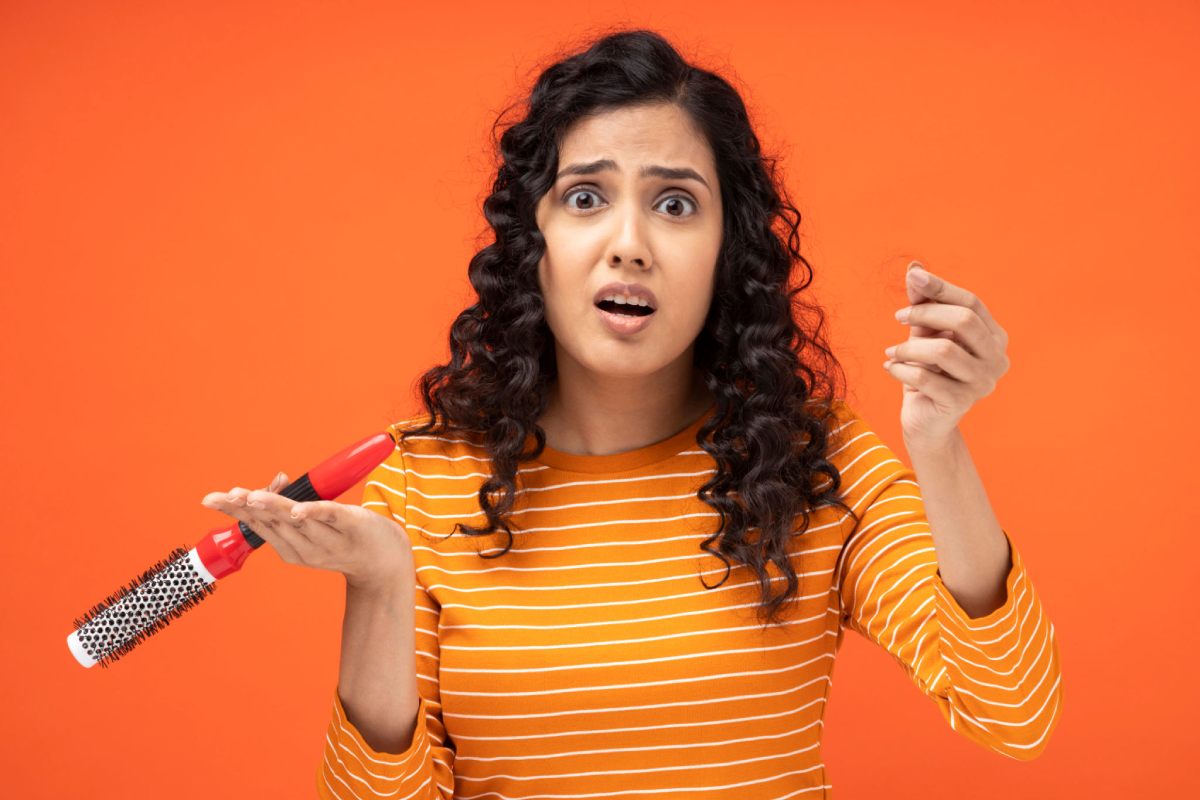
What does hormonal hair loss look like?
The hormones involved—mainly estrogen and progesterone—affect your hair’s growth cycles, your scalp and follicle health, and the natural oils that keep hair smooth and lustrous. Because of that, you may experience thinning, lack of density, texture changes, and dryness as estrogen wanes. “During perimenopause, it isn’t that your estrogen is gone; it’s fluctuating,” says Debra Lin, PhD, hair science expert and chief scientific officer at Better Not Younger, a haircare brand. “So sometimes your hair may look thicker and healthier; other times it may be thinner and duller,” she says.
IBS, colitis or Crohn’s? When to see a doctor about your stomach ache
“They kind of keep things activated and living and functioning longer than they would have should we have left it without any kind of support,” she says. Another way to step up you're vitamins for hair loss during menopause is through supplementation. As a refresher, low levels of iron and vitamin D are linked to hair loss, so if you have a deficiency in those, taking them in supplement form can be helpful. However, before adding a year-long supply of supplements to your cart, Dr. Marmur recommends getting your levels checked by a doctor to ensure you're getting the nutrients your body needs. Additionally, eating foods rich in vitamin C, B vitamins, vitamin A, and vitamin D is necessary for healthy hair. Minerals like zinc, iron, copper, selenium, silicon, magnesium, and calcium influence healthy hair growth and are essential as part of a hair regrowth strategy.

"The decrease in these hormones can also cause an increase in androgens. Androgens can shrink the hair follicle, which can cause hair thinning," she adds. So even if you don't notice significant fallout, gradual thinning can be connected to menopause as well. Your hair care routine can prevent damage and excess shedding. I encourage people to discuss with their hair stylist ways to reduce excess hair loss.
MM Skincare MMSphere 2GO
Why You're Losing More Hair and the New Science to Help Regrow It - Oprah Mag
Why You're Losing More Hair and the New Science to Help Regrow It.
Posted: Mon, 11 Sep 2023 07:00:00 GMT [source]
When hair loss starts dry styling products and scalp cover ups or keratin fibers are often used to disguise the problem, but they can make things worse. Be proactive, there are no adverse effects to acting to keep your hair. Medically you can approach hormonal supplementation, which can help reduce hair miniaturization and hair loss. There is not much more that can be done medically other than PRP or Platelet Rich Plasma injections. Dermatologists can perform a scalp biopsy to see active follicles compared to dormant or dead follicles, but often they have limited solutions to offer their patients. Seeking the advice of a hair loss expert can be a better route with more options, but be wary of those who are just interested in selling solutions with no scientific evidence.
Male-pattern baldness
And early treatment of alopecia may reduce the speed of thinning and promote regrowth. A healthcare provider can tell you more about what to expect in your situation. “Those follicles in those areas are more subjected to negative impacts from hormones,” she says.
10 habits for good health
Before pursuing hair loss treatment, talk with your doctor about the cause of your hair loss and treatment options. “Hair requires a plentiful supply of protein, energy-producing nutrients, and adequate amounts of iron and vitamin B12,” says Hill. For this reason, she encourages adding foods rich in these elements to your diet, such as green juices and smoothies, kale, collard greens, avocado, and cucumber. Pinpointing the root causes of hair loss or hair thinning during menopause is also important, and for that, Hill says a proper evaluation from a trichologist or dermatologist is required. So read on to learn some strategies to combat menopause hair loss, but remember to consult with an expert before self-diagnosing and treating.
How can I stop hair loss during menopause?
In addition, when the body is actively converting estrogen to testosterone during menopause, this reducing the follicle's exposure to androgens. While she hasn’t noticed significant shedding, Ellen Marmur, MD, a dermatologist in New York City and founder of MM Skincare, has seen changes in her scalp and strand quality while in perimenopause. Just as your skin gets dry as estrogen is on the decline, your scalp and, by extension, your hair strands lack hydration, too. “A reduction in estrogen results in reduced sebum (oil) production, which normally lubricates the scalp. And, since that hydrating scalp oil isn’t there to work itself down your strands, hair is also drier, as well as duller, more brittle, and breakage-prone.
“You may find that your hair feels wirier, or it’s suddenly curly in the back, and you have two textures on one head,” says Katelyn Ellsworth, owner of The Roslyn Salon in San Diego. Hormones can affect the shape of some hair follicles, changing them from, say, circle-shaped follicles that produce straight hair to oval-shaped follicles that produce curly hair. The coarse, wiry feel of some strands stems from the lack of natural oils. “Acidity keeps the hair cuticle cells lying tightly against each other like shingles on a roof,” says Kunin. “Without the acidity, the cuticle cells begin to lift up and pull apart, leaving hair looking dull and feeling rough,” she says.
Don’t neglect your self-care strategies, and continue attending to both the needs of your body and mind. In some cases, however, these hormones can cause more hair to grow on the face. This is why some menopausal women develop facial “peach fuzz” and small sprouts of hair on the chin.
If your hair is beginning to thin, you can style it in a way that makes the hair loss less noticeable. This could include changing where you part your hair, cutting your hair shorter to create more volume, or adding some dimensional layers. This could give the illusion of thicker and fuller hair while hiding any hair loss you may have.


No comments:
Post a Comment